
FIND US: 9730 Dufferin Street Unit 6
Maple, Ontario L6A 4L6

Office Hours: 9:00AM-4:30PM
Business Hours: 8:00AM-6:00PM
Closed on weekends
Montessori School House
Registration For Enrollment Is Now Closed

ENROLL A CHILD
We provide the perfect education for your child every day
OUR PROGRAMS
We make your child happy day after day
OUR DAILY CARE
HIGHLY INDIVIDUALIZED CURRICULUM
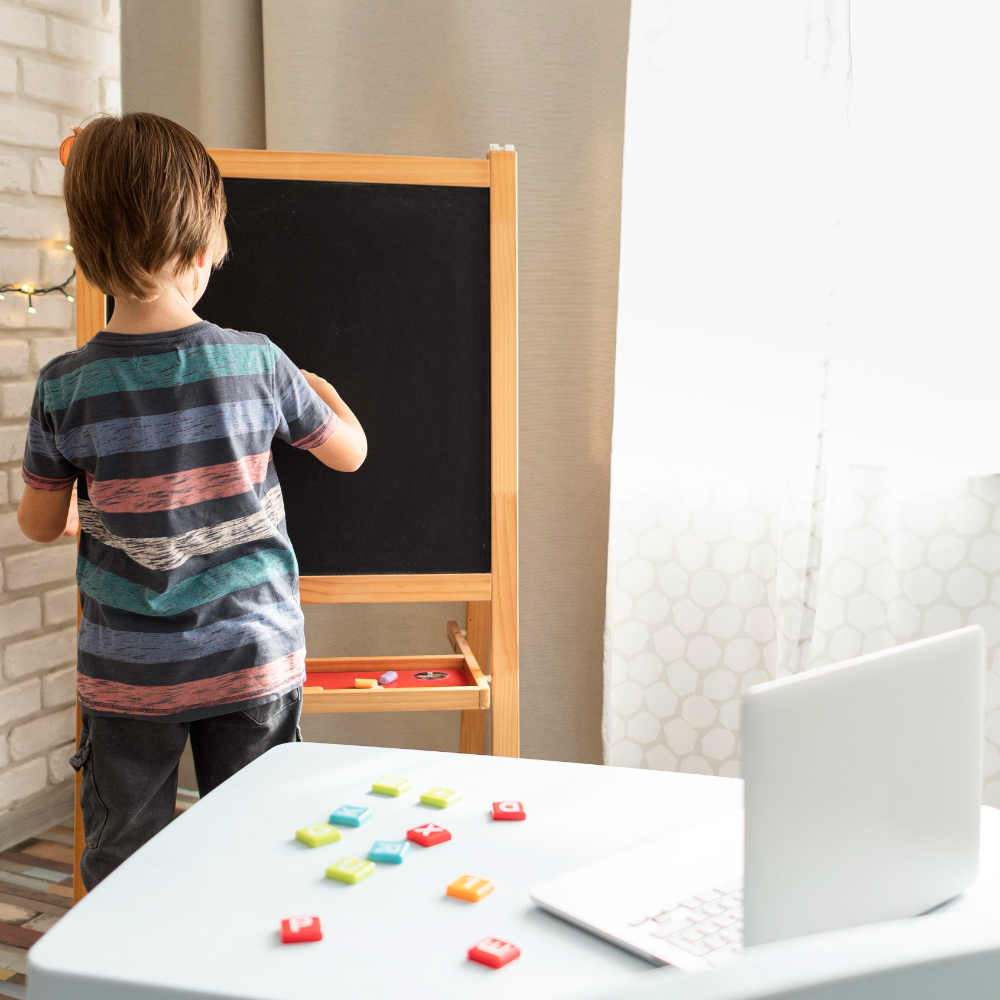
We provide programs for infants, toddlers and kindergarten age children. All our classrooms are furnished with miniature tables and chairs and didactic materials that offer children the opportunity to exercise their senses and encourage the development of independence, exploration and discovery.
All of our Montessori learning materials are designed to teach concepts in a concrete way, and then help the child make the leap from the concrete to the abstract.

INFANT PROGRAM
(0-18 MONTHS)
When the basic physical, emotional, and social needs of a very young child are consistently, respectfully and joyfully met, the child learns to trust.

TODDLERS
(18 MONTHS – 2 ½ YRS.)
The development of movement and language are highlighted during infancy and toddler hood.

CASA
( 3 -6YRS.)
Our CASA program is designed for children ages 3 to 6 years old. Our goal is to nurture their natural urge to explore and discover the world around them.
SUMMER CAMP
(3-6YRS.)
The Summer Programs are specially designed to allow students / children to continue school throughout the summer months and to get a head start for the upcoming year, while enjoying at the same time some fun and exciting summer time activities and outings; these programs include nature study, field trips, sports, etc.
EXPLORING & DISCOVERING LEADS TO LEARNING
Take a look into our day to day life here at Montessori School House





ADMISSION PROCESS
Steps done with heart, soul, mind & strength for your child
1
Contact
Connect with us via email or phone for a consultation to see if Montessori School House is a good fit for your child
2
Schedule Site Visit
Schedule an in-person visit at our school.
3
Registration & Procedures
Once accepted, we can begin to register your child at Montessori School House
4
Admission
The best part! Prepare your child for their first class at Montessori School House, we can’t wait to meet them!
PLEASE NOTE: Priority access is granted to the following:
- Siblings of current MONTESSORI SCHOOL HOUSE students
- We are a part of the CWELCC funding agreement. It is our expectation, however, that you remain at MONTESSORI SCHOOL HOUSE for the 3 year CASA PROGRAM

MONTESSORI SCHOOL HOUSE
We want our children to learn, to lead and to make a difference.
About us
Montessori School House provides programs for infants, toddlers, kindergarten age children as well as an elementary school that goes through the sixth grade. All of our Montessori learning materials are designed to teach concepts in a concrete way, and then help the child make the leap from the concrete to the abstract.

Contact Details
Montessori School House
Qualified Teachers
MACTE Certified
ECE Certified
French & Music Programs
Parent & Teacher Collobration
©2026 Montessori Schoolhouse | Website by Speers Creative